
Europe's Night Trains Are Back, And They Change The Shape Of A Trip
Sleeper services are being revived across the continent, and the appeal turns out to be less about carbon maths than about how the journey feels.
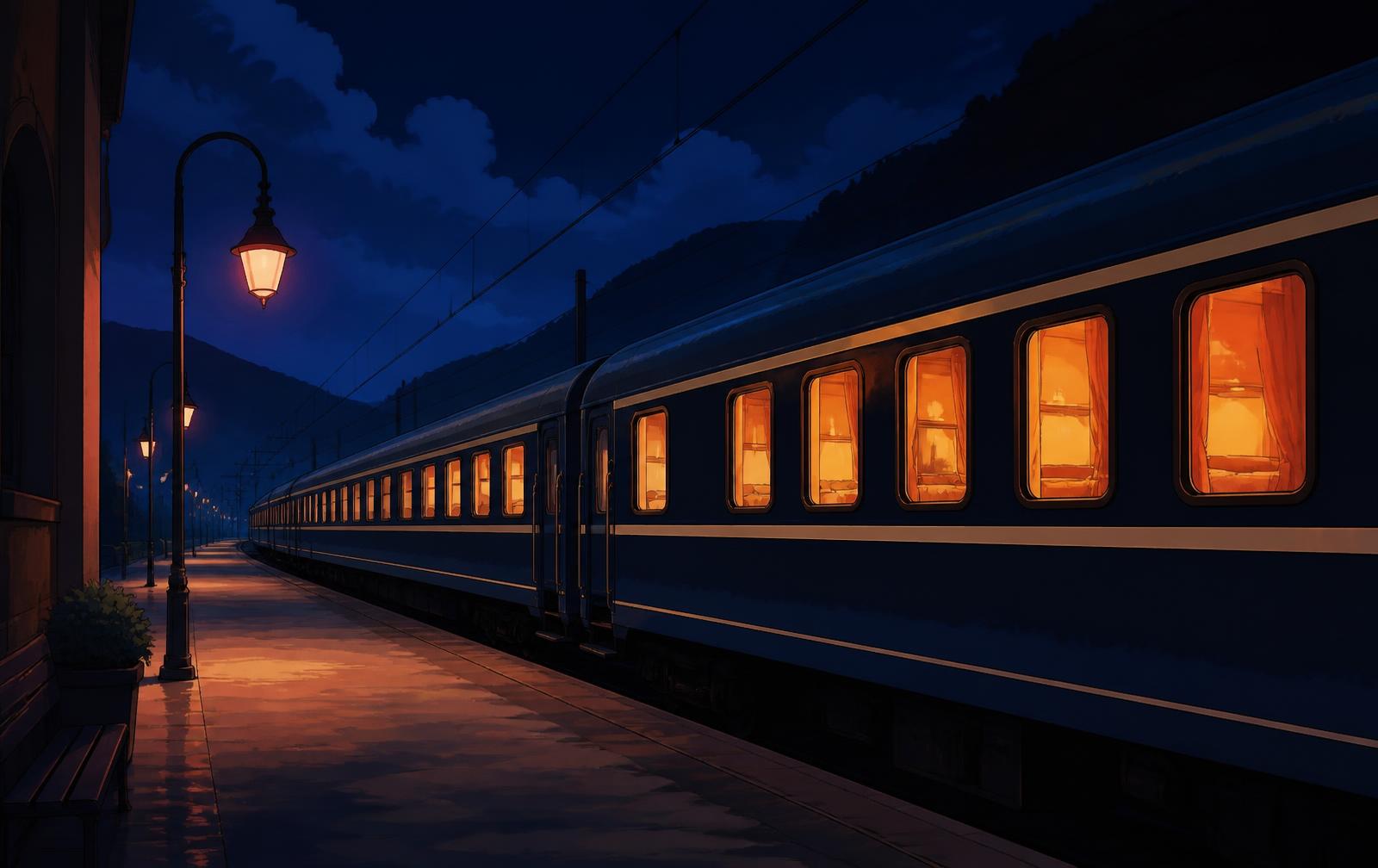
For most of the 2000s the European sleeper train looked like a museum piece. Budget airlines undercut it, operators quietly retired carriages, and routes vanished from timetables. Then, over the past few years, the direction reversed. Austrian operator ÖBB expanded its Nightjet network and introduced new-generation sleeper carriages, other national operators and a handful of independents began restoring cross-border overnight links, and demand has been strong enough to keep the momentum going.
Why it came back
Three forces met at once.
- **Policy.** European rail has had sustained political attention, including EU-level work on cross-border connections and years designated to promote rail travel.
- **Climate arithmetic.** Rail's emissions per passenger are a fraction of a short-haul flight's, and enough travellers now factor that in to move the numbers.
- **Fatigue with flying.** Two hours in the air surrounded by four hours of airport is a poor trade, and people have noticed.
What it is actually like
Modern sleeper stock has improved considerably. The newest Nightjet carriages include single "mini cabins" with a door that locks, a reading light, a window and somewhere to put your bag — designed for solo travellers who previously had to choose between an open couchette and an expensive private compartment.
The rest of the experience is unchanged in the best way. You board in the evening in one country, eat something modest, read for an hour, and wake up as a different landscape slides past the window. No transfer, no 4am alarm, no security queue.
A sleeper turns dead time into the part of the holiday you remember.
Where it works best
Sleepers make most sense over roughly 600 to 1,200 kilometres — far enough that flying feels tempting, close enough that the train arrives at a civilised hour. Vienna and Zurich have become the network's practical hubs, with overnight links reaching cities across central and western Europe, and Nordic and Alpine operators running well-used domestic routes to ski country and the far north.
Booking, honestly
Some hard-won advice.
- **Book early.** Sleeper capacity is small and the cheapest fares disappear months ahead.
- **Understand the tiers.** Seat, couchette (shared, bunk-style) and sleeper (private, usually with a washbasin, sometimes en suite) are very different nights.
- **Check the calendar.** Many routes are seasonal or run only on certain days.
- **Bring earplugs and a sleep mask.** Non-negotiable.
- **Verify before you commit.** Routes, operators and rolling stock have changed rapidly; timetables from even last year may mislead.
The trade-off nobody mentions
You will not sleep as well as you do at home. That is the honest cost, and most people who take sleepers regularly consider it a bargain: a night's imperfect sleep bought you a whole day at your destination and removed an airport from your life.
Pack light. Take the window. Watch the lights go by.
Have a Beaux Day.
- rail travel
- night trains
- europe
- slow travel
- sustainability