Scotland's Seven Natural Wonders: A Slow Route Worth Planning
From a sea cave that sounds like an organ to a glen carved by ice, Scotland keeps its most extraordinary landscapes surprisingly reachable.
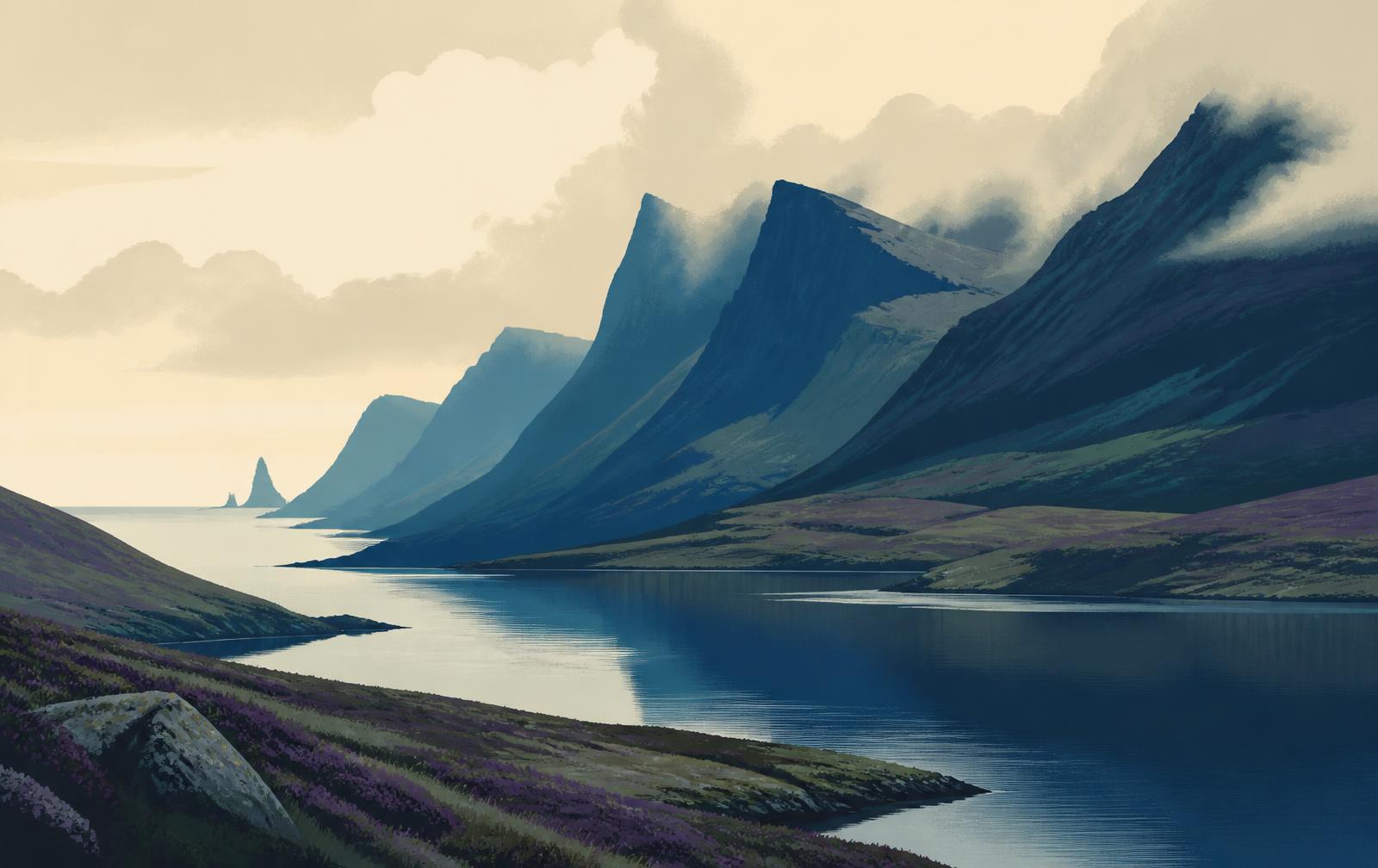
Scotland is small enough to cross in a day and dramatic enough to keep you for a month. VisitScotland, the country's national tourism organisation, groups a handful of landscapes together as natural wonders, and taken as a set they make an unusually good itinerary — coast, mountain, forest and island, most of it accessible without specialist kit.
Fingal's Cave, Staffa
A sea cave on an uninhabited Hebridean island, its walls formed of hexagonal basalt columns produced by cooling lava. Boats run from Mull and Iona in the calmer months. The acoustics are the reason it became famous in the nineteenth century, and the reason people still fall quiet inside it.
The Old Man of Hoy, Orkney
A sea stack of red sandstone rising sheer from the Atlantic off the Orkney island of Hoy. You can see it from the Scrabster–Stromness ferry, which is the easiest view in the country for the effort involved. Walkers reach a clifftop viewpoint on a well-used path from Rackwick.
Glen Coe
Perhaps the most photographed glen in Scotland: a U-shaped valley shaped by glaciers and framed by steep ridges, cut through by the A82. It rewards stopping. Short walks from the roadside reach waterfalls and lochans that the drive-through crowd never sees.
Loch Lomond
The largest freshwater loch by surface area in Britain, dotted with islands and sitting at the southern edge of the Highlands within Loch Lomond and The Trossachs National Park. It is the closest genuine wilderness to Glasgow, which makes it both wonderful and busy — go early.
The Cairngorms
Britain's largest national park, holding a high arctic-alpine plateau, ancient Caledonian pinewood and some of the country's most important wildlife. Snow lingers here longer than anywhere else in the UK. Weather changes fast and the plateau is genuinely serious ground; plan properly.
The Falls of Measach, Corrieshalloch Gorge
A box canyon in Wester Ross where the river drops dramatically through a narrow slot, viewed from a suspension bridge that puts you directly above the fall. It is a short walk from the road and one of the highest returns on effort in the Highlands.
The Bass Rock, Firth of Forth
A volcanic plug off the East Lothian coast that turns white each spring under one of the world's largest colonies of northern gannets. Boat trips run from North Berwick, and the Scottish Seabird Centre keeps live cameras trained on the rock for anyone who cannot get out on the water.
Going gently
Two practical notes. First, several of these sites are fragile and heavily visited — stay on paths, take everything out with you, and follow the Scottish Outdoor Access Code. Second, seabird colonies and boat operations are seasonal and subject to weather, avian influenza restrictions and local guidance, so check before travelling.
The pleasure of this list is how little it asks. A ferry timetable, a waterproof, and the willingness to stand still in the rain for a while.
Have a Beaux Day.
- scotland
- landscapes
- slow travel
- highlands
- islands