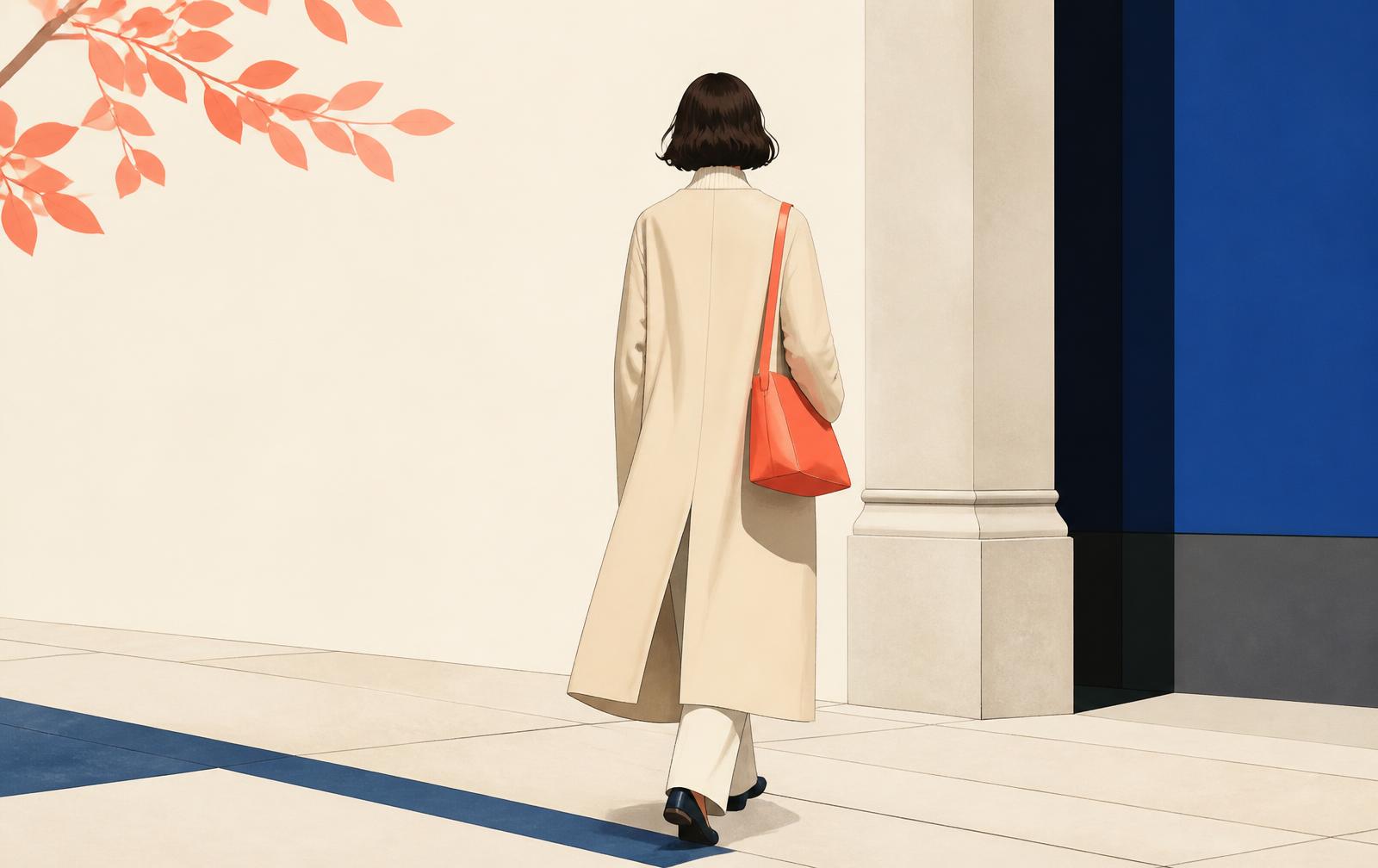
The city that decided to paint itself brighter
A neighbourhood colour project began with one hand-mixed bucket of coral paint. Two summers later, residents say the whole street feels different.

It started the way most beautiful things start: small, unofficial and slightly over-ambitious. A resident wanted to repaint one tired stair rail. Neighbours offered brushes. Someone brought lemonade. By the end of that first Saturday, three doorways had gone from grey to gold.
What makes the project remarkable is not the paint. It is the pattern that formed around it — the standing invitation to show up, the shared ladder that lives in a hallway, the running list of walls that could use a second coat before autumn.
Why colour changes behaviour
Urban designers have long argued that visible care invites more care. When a street looks tended, people slow down, linger and greet each other. Colour is the fastest possible signal that somebody is paying attention.
Colour is the cheapest kindness a street can offer. It costs a weekend and it lasts for years.
What comes next
The group has no formal structure and no plans for one. There is a shared calendar, a palette everyone agreed on after a long and cheerful argument, and a rule that nobody paints anything they have not been asked to paint.
This is editorial demo content created to illustrate the Beaux Media story template.
- culture
- community
- colour